We are accepting new patients!
Se habla español
We now offer in office x-rays

Why Your Ankle Keeps Giving Out

Chronic ankle instability develops when the outer side of the ankle repeatedly gives out, often after one or more ankle sprains that did not fully heal. The ligaments become stretched or weakened, making it harder for the joint to stay stable during movement. Other common causes include improper rehabilitation after a sprain, weak ankle muscles, and poor balance or coordination. Over time, this can lead to ongoing discomfort, swelling, and a higher risk of future sprains. Treatment usually begins with conservative care such as targeted exercises  to strengthen muscles and improve balance, bracing for added support, and activity modification. Anti-inflammatory measures may also help reduce pain and swelling. If symptoms persist despite these efforts, surgical options like ligament repair or reconstruction may be recommended to restore stability. If your ankle feels unstable or keeps rolling, it is suggested that you schedule a visit with a podiatrist to prevent further injury and regain confidence in your movement.

Ankle pain can be caused by a number of problems and may be potentially serious. If you have ankle pain, consult with Deborah Rosenfeld from Rosenfeld Podiatry. Our doctor will assess your condition and provide you with quality foot and ankle treatment.

Ankle pain is any condition that causes pain in the ankle. Due to the fact that the ankle consists of tendons, muscles, bones, and ligaments, ankle pain can come from a number of different conditions.

Causes

The most common causes of ankle pain include:

  • Types of arthritis (rheumatoid, osteoarthritis, and gout)
  • Ankle sprains
  • Broken ankles
  • Achilles tendonitis
  • Achilles tendon rupture
  • Stress fractures
  • Bursitis
  • Tarsal tunnel syndrome
  • Plantar fasciitis

Symptoms

Symptoms of ankle injury vary based upon the condition. Pain may include general pain and discomfort, swelling, aching, redness, bruising, burning or stabbing sensations, and/or loss of sensation.

Diagnosis

Due to the wide variety of potential causes of ankle pain, podiatrists will utilize a number of different methods to properly diagnose ankle pain. This can include asking for personal and family medical histories and of any recent injuries. Further diagnosis may include sensation tests, a physical examination, and potentially x-rays or other imaging tests.

Treatment

Just as the range of causes varies widely, so do treatments. Some more common treatments are rest, ice packs, keeping pressure off the foot, orthotics and braces, medication for inflammation and pain, and surgery.

If you have any questions please feel free to contact our office located in Marlton, NJ . We offer the newest diagnostic tools and technology to treat your foot and ankle needs.
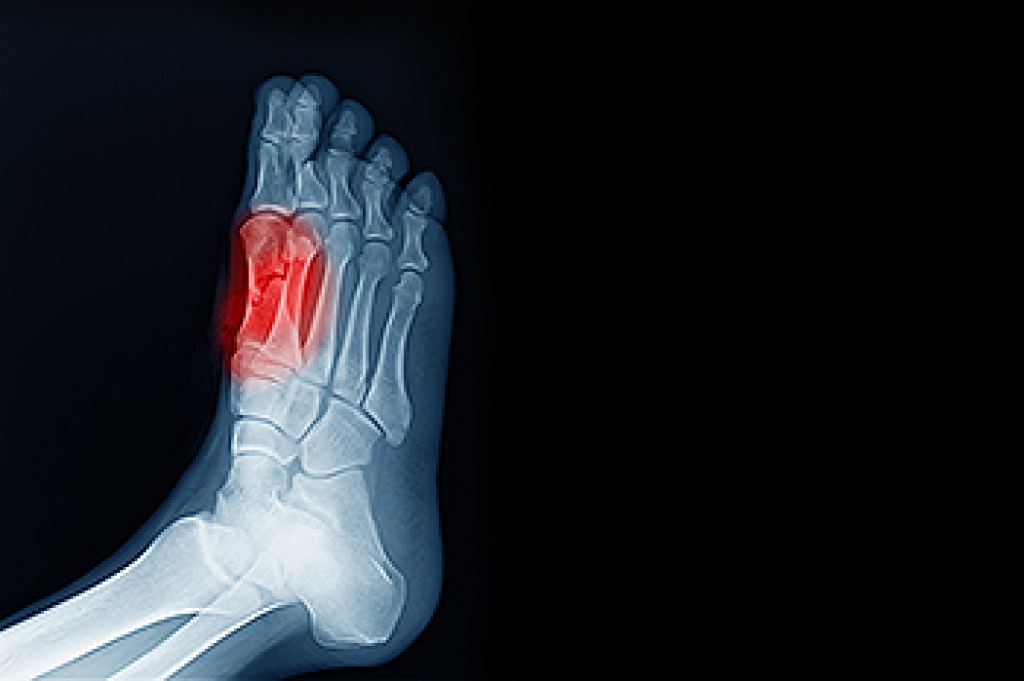
Read more about Various Causes of Ankle Pain

How Slip-On Shoes Can Affect the Feet

Slip-on shoes are popular for convenience, but they can affect foot health in several ways. Many styles lack proper fastening, which reduces stability and allows the foot to slide during walking. This movement can increase pressure on the toes and forefoot, leading to problems like corns, calluses, and joint strain. Some slip-on shoes also have a narrow toe box, meaning the front of the shoe squeezes the toes together. Continuous wear may contribute to deformities like bunions. In addition, without adequate support, the arch of the foot may not be properly aligned, placing extra stress on muscles, tendons, and joints. This can lead to pain, imbalance, and a higher risk of falls. A podiatrist can evaluate how wearing slip-ons affects your foot structure, gait, and alignment. If you have foot pain from wearing slip-on shoes during certain activities, it is suggested that you schedule an appointment with a podiatrist for an exam and appropriate treatment.

It is important to find shoes that fit you properly in order to avoid a variety of different foot problems. For more information about treatment, contact Deborah Rosenfeld from Rosenfeld Podiatry. Our doctor will treat your foot and ankle needs.

Proper Shoe Fitting

Shoes have many different functions. They cushion our body weight, protect our feet, and allow us to safely play sports. You should always make sure that the shoes you wear fit you properly in order to avoid injuries and deformities such as: bunions, corns, calluses, hammertoes, plantar fasciitis, stress fractures, and more. It is important to note that although a certain pair of shoes might be a great fit for someone else, that doesn’t mean they will be a great fit for you. This is why you should always try on shoes before buying them to make sure they are worth the investment. Typically, shoes need to be replaced ever six months to one year of regular use.

Tips for Proper Shoe Fitting

  • Select a shoe that is shaped like your foot
  • Don’t buy shoes that fit too tight, expecting them to stretch to fit
  • Make sure there is enough space (3/8” to ½”) for your longest toe at the end of each shoe when you are standing up
  • Walk in the shoes to make sure they fit and feel right
  • Don’t select shoes by the size marked inside the shoe, but by how the shoe fits your foot

The shoes you buy should always feel as good as they look. Shoes that fit properly will last longer, feel better, and improve your way of life each day.

If you have any questions please contact our office located in Marlton, NJ . We offer the newest diagnostic and treatment technologies for all your foot and ankle needs.

Read more about Getting the Right Shoe Size: To Keep Your Feet Happy

Definition and Risk Factors of Gout

Gout is a form of inflammatory arthritis caused by a buildup of uric acid in the body, leading to the formation of sharp crystals within joints. When uric acid levels rise, the body cannot eliminate it effectively, allowing crystals to accumulate and trigger inflammation. This process often affects the big toe, where sudden pain, redness, swelling, and warmth can develop. Symptoms may appear rapidly and become severe, making walking difficult. Risk factors include diet, genetics, certain medical conditions, and reduced kidney function. A podiatrist can diagnose gout, manage flare-ups, and recommend treatments to reduce pain and prevent recurrence. Gout can be painful and may cause difficulty in completing daily activities. If you have symptoms of gout, it is strongly suggested that you are under the care of a podiatrist who can help you to manage this painful condition.

Gout is a foot condition that requires certain treatment and care. If you are seeking treatment, contact Deborah Rosenfeld from Rosenfeld Podiatry. Our doctor will treat your foot and ankle needs.

What Is Gout?

Gout is a type of arthritis caused by a buildup of uric acid in the bloodstream. It often develops in the foot, especially the big toe area, although it can manifest in other parts of the body as well. Gout can make walking and standing very painful and is especially common in diabetics and the obese.

People typically get gout because of a poor diet. Genetic predisposition is also a factor. The children of parents who have had gout frequently have a chance of developing it themselves.

Gout can easily be identified by redness and inflammation of the big toe and the surrounding areas of the foot. Other symptoms include extreme fatigue, joint pain, and running high fevers. Sometimes corticosteroid drugs can be prescribed to treat gout, but the best way to combat this disease is to get more exercise and eat a better diet.

If you have any questions, please feel free to contact our office located in Marlton, NJ . We offer the newest diagnostic and treatment technologies for all your foot care needs.

Read more about Everything You Need to Know About Gout

Chronic Autoimmune Condition Affects Foot Health

A chronic autoimmune condition that causes hardening and tightening of the skin and connective tissues, affects the feet and impairs mobility. This condition, called progressive systemic sclerosis, can lead to painful joints, stiffness, and reduced foot functionality, making daily activities challenging. Risk factors include female gender, age between 30 and 50, and a family history of autoimmune disorders. Other symptoms include Raynaud's phenomenon, skin changes, and gastrointestinal difficulties. Relief is often achieved by improving foot functionality through exercises, wearing  proper footwear, orthotics, and targeted therapies. A podiatrist can assess structural changes, recommend customized treatments, and monitor foot health to reduce pain and improve mobility. If you have symptoms of this condition, it is suggested that you seek care from a  podiatrist who can offer you a proper diagnosis and appropriate care.

Some foot conditions may require additional professional care. If you have any concerns, contact Deborah Rosenfeld of Rosenfeld Podiatry. Our doctor can provide the care you need to keep you pain-free and on your feet.

Rare Foot Conditions

The majority of foot conditions are common and can be treated by a podiatrist.  Standard diagnostic procedures are generally used to identify specific conditions and treatment can be rendered. A podiatrist also treats rare foot conditions which can be difficult to diagnose and may need extra attention and care. 

There are many rare foot conditions that can affect children. Some of these can include:

  • Freiberg’s disease
  • Kohler’s disease
  • Maffucci syndrome

Freiberg’s disease - This can be seen as a deterioration and flattening of a metatarsal bone that exists in the ball of the foot. It typically affects pre-teen and teenage girls, but can affect anyone at any age. Symptoms that can accompany this can be swelling, stiffness, and the patient may limp. 

Kohler’s disease - This often targets the bone in the arch of the foot and affects younger boys. It can lead to an interruption of the blood supply which ultimately can lead to bone deterioration. The patient may limp or experience tenderness, swelling, and redness.

Maffucci syndrome - This affects the long bones in a child’s foot leading to the development of abnormal bone lesions. They are benign growths and typically develop in early childhood and the bones may be susceptible to breaking. 

A podiatrist can properly diagnose and treat all types of rare foot conditions. If your child is affected by any of these symptoms or conditions, please don’t hesitate to call our office so the correct treatment method can begin.

If you have any questions, please feel free to contact our office located in Marlton, NJ . We offer the newest diagnostic and treatment technologies for all your foot care needs.

Read more about Rare Foot Conditions

It's Time for Beautiful Feet

You don't need an excuse to have beautiful nails. Step outside without worrying about the appearance of your feet.

Connect With Us

Advanced Podiatric Procedures & Services in the Marlton, NJ 08053 area