
We are accepting new patients!
Se habla español
We now offer in office x-rays

Understanding Corns and How They Differ From Calluses

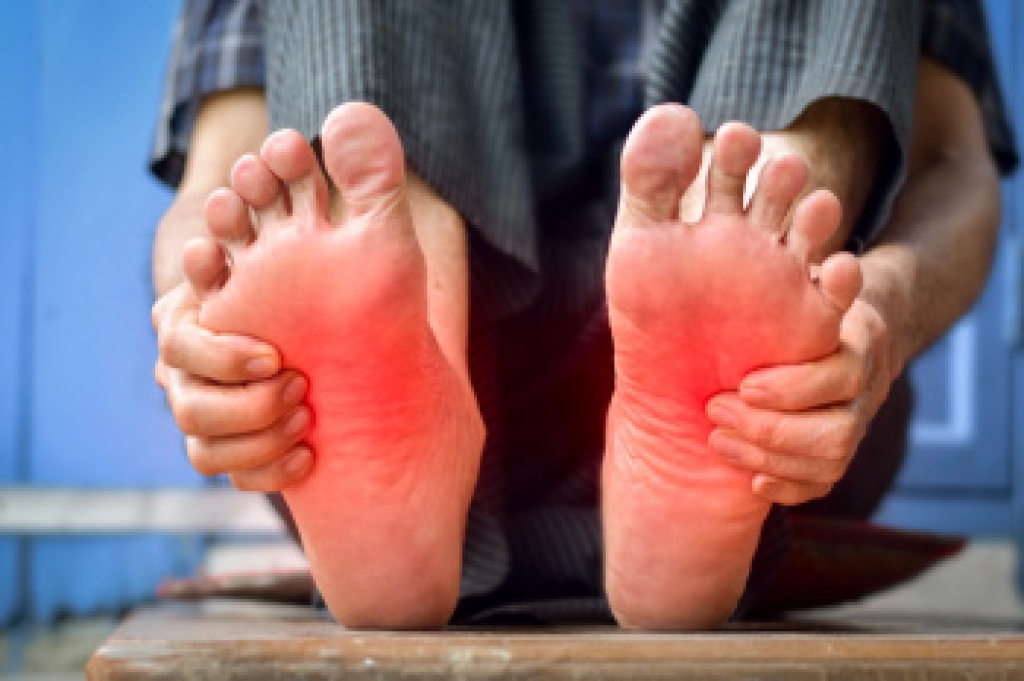
A corn is a small, thickened area of skin that develops as a protective response to repeated friction and pressure. Corns are usually smaller and deeper than calluses, and may have a hard center that can cause tenderness. Calluses tend to be larger, flatter areas of thickened skin that form over wider regions. Corns often appear on the side of the feet from wearing tight shoes, while calluses may develop on the ball of the foot from activities such as running barefoot. Risk factors include poor footwear, repetitive motion, and foot structure. A podiatrist can safely treat corns, reduce pressure, and recommend proper footwear to prevent recurrence. Corns can be painful, and may cause difficulty in completing daily activities. If you have a foot corn, it is suggested that you consult a podiatrist who can offer you effective relief and treatment solutions.

Corns can make walking very painful and should be treated immediately. If you have questions regarding your feet and ankles, contact Deborah Rosenfeld of Rosenfeld Podiatry. Our doctor will treat your foot and ankle needs.

Corns: What Are They? And How Do You Get Rid of Them?
Corns are thickened areas on the skin that can become painful. They are caused by excessive pressure and friction on the skin. Corns press into the deeper layers of the skin and are usually round in shape.

Ways to Prevent Corns
There are many ways to get rid of painful corns such as:

  • Wearing properly fitting shoes that have been measured by a professional
  • Wearing shoes that are not sharply pointed or have high heels
  • Wearing only shoes that offer support

Treating Corns

Although most corns slowly disappear when the friction or pressure stops, this isn’t always the case. Consult with your podiatrist to determine the best treatment option for your case of corns.

If you have any questions, please feel free to contact our office located in Marlton, NJ . We offer the newest diagnostic and treatment technologies for all your foot care needs.
Read more about Everything You Need to Know About Corns

Understanding Gout Flares

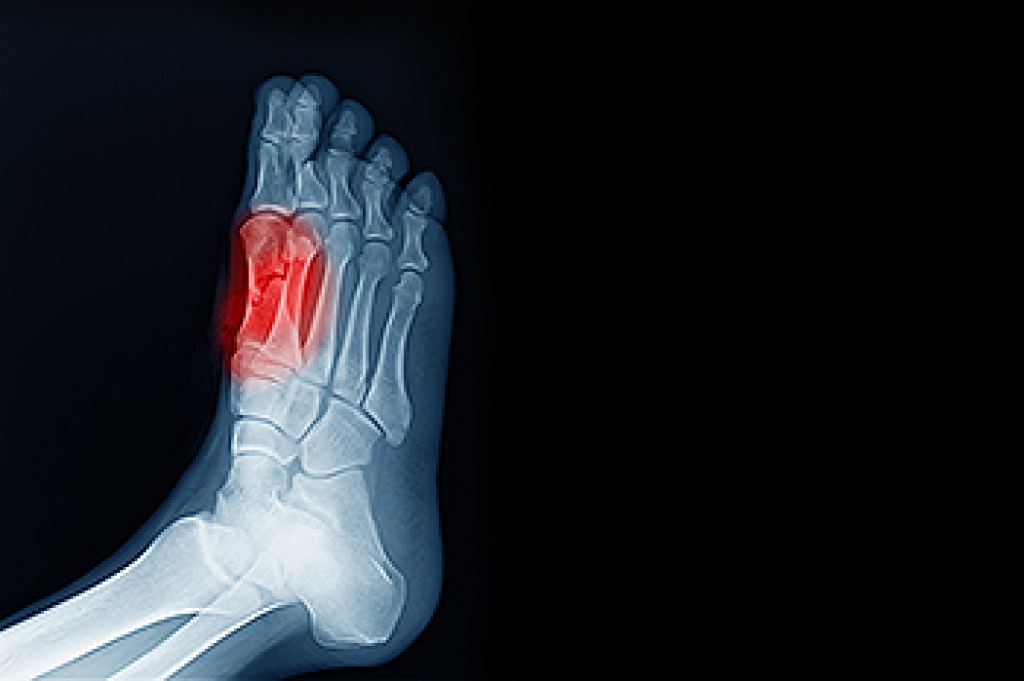
Gout is a painful form of arthritis that develops when uric acid builds up in the body and forms sharp crystals in the joints. Gout commonly affects the big toe, but it can also affect the ankle and other foot joints. A gout flare usually begins suddenly causing intense pain and swelling. Redness, warmth, and tenderness may also occur. Even light pressure from a shoe or bed sheet can cause discomfort. Gout flares can last for several days, and may return if the condition is not properly managed. Risk factors include kidney problems, obesity, and alcohol use. Sugary drinks and joint injuries are other factors. A podiatrist can diagnose gout through an exam, imaging studies, and laboratory testing. Treatment includes reducing inflammation, protecting the affected joint, and helping prevent future flare-ups that can damage the joints. If you have symptoms of gout, it is suggested that you schedule an appointment with a podiatrist for help in managing this painful condition.

Gout is a painful condition that can be treated. If you are seeking treatment, contact Deborah Rosenfeld from Rosenfeld Podiatry. Our doctor will treat your foot and ankle needs.

What Is Gout?

Gout is a form of arthritis that is characterized by sudden, severe attacks of pain, redness, and tenderness in the joints. The condition usually affects the joint at the base of the big toe. A gout attack can occur at any random time, such as the middle of the night while you are asleep.

Symptoms

  • Intense Joint Pain - Usually around the large joint of your big toe, and it most severe within the first four to twelve hours
  • Lingering Discomfort - Joint discomfort may last from a few days to a few weeks
  • Inflammation and Redness -Affected joints may become swollen, tender, warm and red
  • Limited Range of Motion - May experience a decrease in joint mobility

Risk Factors

  • Genetics - If family members have gout, you’re more likely to have it
  • Medications - Diuretic medications can raise uric acid levels
  • Gender/Age - Gout is more common in men until the age of 60. It is believed that estrogen protects women until that point
  • Diet - Eating red meat and shellfish increases your risk
  • Alcohol - Having more than two alcoholic drinks per day increases your risk
  • Obesity - Obese people are at a higher risk for gout

Prior to visiting your podiatrist to receive treatment for gout, there are a few things you should do beforehand. If you have gout you should write down your symptoms--including when they started and how often you experience them, important medical information you may have, and any questions you may have. Writing down these three things will help your podiatrist in assessing your specific situation so that he or she may provide the best route of treatment for you.

If you have any questions, please feel free to contact our office located in Marlton, NJ . We offer the newest diagnostic and treatment technologies for all your foot care needs.
Read more about Gout

Are You Suffering From Ingrown Toenails?

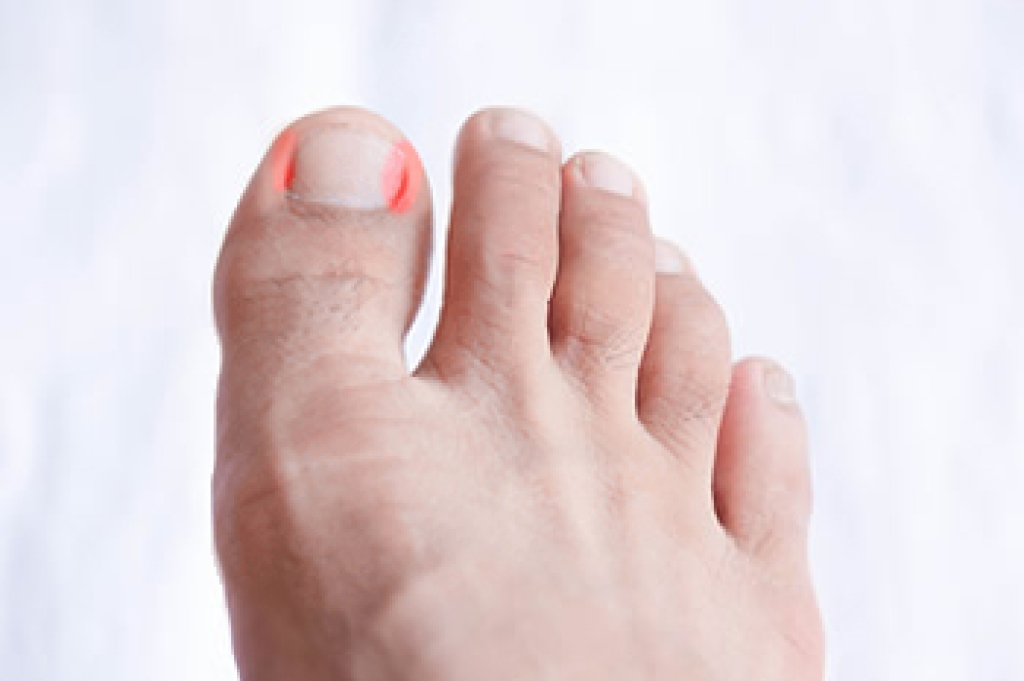
If left untreated, an ingrown toenail can lead to more serious concerns, such as an infection. Knowing proper nail care can help in the prevention of an ingrown toenail. Give us a call, and get treated!

Diabetic Foot Infections Should Never Be Ignored

Diabetic foot infections develop when high blood sugar damages nerves and reduces circulation in the feet, making it harder for small cuts or blisters to heal properly. Many people first notice redness, swelling, drainage, or a sore that becomes painful or develops an unpleasant odor. Some patients feel very little discomfort because nerve damage can limit sensation. Without treatment, the infection may spread into deeper tissue, bone, or surrounding skin. A podiatrist can examine the wound, order imaging tests, clean infected tissue, and recommend advanced wound care or antibiotics when needed. Early treatment often lowers the risk of serious complications, including hospitalization or limb loss. Prompt medical attention can protect mobility and improve long-term health. It is strongly suggested that if you have signs of a diabetic foot infection, you schedule an immediate evaluation with a podiatrist.

Wound care is an important part in dealing with diabetes. If you have diabetes and a foot wound or would like more information about wound care for diabetics, consult with Deborah Rosenfeld from Rosenfeld Podiatry. Our doctor will assess your condition and provide you with quality foot and ankle treatment.

What Is Wound Care?

Wound care is the practice of taking proper care of a wound. This can range from the smallest to the largest of wounds. While everyone can benefit from proper wound care, it is much more important for diabetics. Diabetics often suffer from poor blood circulation which causes wounds to heal much slower than they would in a non-diabetic. 

What Is the Importance of Wound Care?

While it may not seem apparent with small ulcers on the foot, for diabetics, any size ulcer can become infected. Diabetics often also suffer from neuropathy, or nerve loss. This means they might not even feel when they have an ulcer on their foot. If the wound becomes severely infected, amputation may be necessary. Therefore, it is of the upmost importance to properly care for any and all foot wounds.

How to Care for Wounds

The best way to care for foot wounds is to prevent them. For diabetics, this means daily inspections of the feet for any signs of abnormalities or ulcers. It is also recommended to see a podiatrist several times a year for a foot inspection. If you do have an ulcer, run the wound under water to clear dirt from the wound; then apply antibiotic ointment to the wound and cover with a bandage. Bandages should be changed daily and keeping pressure off the wound is smart. It is advised to see a podiatrist, who can keep an eye on it.

If you have any questions please contact our office located in Marlton, NJ . We offer the newest diagnostic and treatment technologies for all your foot and ankle needs.

Read more about Wound Care

Pain Along the Back of the Heel

Achilles tendinopathy involves irritation and deterioration of the Achilles tendon, which connects the calf muscles to the heel. It often develops gradually and may cause pain, stiffness, or a tight feeling along the back of the ankle. It can occur both while walking or after periods of rest. The area may appear slightly swollen or thickened, and can feel tender to the touch. Common causes for heel pain include overuse, sudden increases in activity, or tight calf muscles. Wearing improper footwear can also place extra strain on the tendon. A podiatrist can evaluate the tendon, assess movement, and may use imaging to determine the extent of the condition. Treatment often includes activity modification, supportive footwear, and anti-inflammatory care. Targeted exercises can help to improve flexibility and strength. Early care can prevent worsening or tearing of the tendon. If you have pain along the back of your heel, it is suggested that you schedule an appointment with a podiatrist for an evaluation and appropriate treatment.

Achilles tendon injuries need immediate attention to avoid future complications. If you have any concerns, contact Deborah Rosenfeld of Rosenfeld Podiatry. Our doctor can provide the care you need to keep you pain-free and on your feet.

What Is the Achilles Tendon?

The Achilles tendon is a tendon that connects the lower leg muscles and calf to the heel of the foot. It is the strongest tendon in the human body and is essential for making movement possible. Because this tendon is such an integral part of the body, any injuries to it can create immense difficulties and should immediately be presented to a doctor.

What Are the Symptoms of an Achilles Tendon Injury?

There are various types of injuries that can affect the Achilles tendon. The two most common injuries are Achilles tendinitis and ruptures of the tendon.

Achilles Tendinitis Symptoms

  • Inflammation
  • Dull to severe pain
  • Increased blood flow to the tendon
  • Thickening of the tendon

Rupture Symptoms

  • Extreme pain and swelling in the foot
  • Total immobility

Treatment and Prevention

Achilles tendon injuries are diagnosed by a thorough physical evaluation, which can include an MRI. Treatment involves rest, physical therapy, and in some cases, surgery. However, various preventative measures can be taken to avoid these injuries, such as:

  • Thorough stretching of the tendon before and after exercise
  • Strengthening exercises like calf raises, squats, leg curls, leg extensions, leg raises, lunges, and leg presses

If you have any questions please feel free to contact our office located in Marlton, NJ . We offer the newest diagnostic tools and technology to treat your foot and ankle needs.

Read more about Achilles Tendon Injuries

Connect With Us

Advanced Podiatric Procedures & Services in the Burlington County, NJ: Marlton (Mt Laurel Township, Moorestown, Fostertown, Maple Shade, Medford, Evesham, Cinnaminson, Chairville, Mt Holly) and Camden County, NJ: Cherry Hill, Barclay, Voorhees Township, Lindenwold, Clementon, Haddonfield, Collingswood, Pennsauken Township areas