We are accepting new patients!
Se habla español
We now offer in office x-rays

Preventing Winter Sports Foot and Ankle Injuries

Winter sports offer excitement and exercise, but cold weather increases the risk of foot and ankle injuries. Cold temperatures can reduce muscle flexibility, slow reaction time, and decrease circulation, making ankles more prone to twists, sprains, and strains. Skiing often leads to injuries from falls, improper technique, or equipment that does not provide adequate support. Additionally, ice skating can cause foot and ankle pain if skates do not fit correctly, as tight or loose skates can alter balance and increase pressure on joints. A podiatrist can evaluate injuries, provide proper treatment, recommend supportive footwear or orthotics, and offer guidance on injury prevention techniques. If you participate in winter sports and have sustained a foot or ankle injury, it is suggested that you consult a podiatrist who offers effective treatment and prevention tips.

Sports related foot and ankle injuries require proper treatment before players can go back to their regular routines. For more information, contact Deborah Rosenfeld of Rosenfeld Podiatry. Our doctor can provide the care you need to keep you pain-free and on your feet.

Sports Related Foot and Ankle Injuries

Foot and ankle injuries are a common occurrence when it comes to athletes of any sport. While many athletes dismiss the initial aches and pains, the truth is that ignoring potential foot and ankle injuries can lead to serious problems. As athletes continue to place pressure and strain the area further, a mild injury can turn into something as serious as a rupture and may lead to a permanent disability. There are many factors that contribute to sports related foot and ankle injuries, which include failure to warm up properly, not providing support or wearing bad footwear. Common injuries and conditions athletes face, including:

  • Plantar Fasciitis
  • Achilles Tendinitis
  • Achilles Tendon Rupture
  • Ankle Sprains

Sports related injuries are commonly treated using the RICE method. This includes rest, applying ice to the injured area, compression and elevating the ankle. More serious sprains and injuries may require surgery, which could include arthroscopic and reconstructive surgery. Rehabilitation and therapy may also be required in order to get any recovering athlete to become fully functional again. Any unusual aches and pains an athlete sustains must be evaluated by a licensed, reputable medical professional.

If you have any questions please contact our office located in Marlton, NJ . We offer the newest diagnostic and treatment technologies for all your foot and ankle needs.


Read more about Sports Related Foot And Ankle Injuries

Dealing With an Infected Blister

A blister on the foot can become infected when bacteria enter through broken skin, often caused by friction from tight shoes or repetitive motion. An infected blister may appear red, swollen, and filled with cloudy fluid. The surrounding area may feel warm or tender. Attempting to pop or drain a blister increases the risk of deeper infection and possible tissue damage. If untreated, the infection can spread to surrounding tissue or bone, leading to serious complications. A podiatrist can properly drain an infected blister in a sterile manner, prescribe necessary medication, and assess whether further care, such as wound cleaning, is needed. A podiatrist can also determine underlying causes, like poorly fitting shoes or biomechanical issues, that contribute to recurring blisters. If you believe you have an infected blister on your foot, it is suggested that you make an appointment with a podiatrist for a diagnosis and safe, sterile treatment.

Blisters may appear as a single bubble or in a cluster. They can cause a lot of pain and may be filled with pus, blood, or watery serum. If your feet are hurting, contact Deborah Rosenfeld of Rosenfeld Podiatry. Our doctor can provide the care you need to keep you pain-free and on your feet.

Foot Blisters

Foot blisters are often the result of friction. This happens due to the constant rubbing from shoes, which can lead to pain.

What Are Foot Blisters?

A foot blister is a small fluid-filled pocket that forms on the upper-most layer of the skin. Blisters are filled with clear fluid and can lead to blood drainage or pus if the area becomes infected.

Symptoms

(Blister symptoms may vary depending on what is causing them)

  • Bubble of skin filled with fluid
  • Redness
  • Moderate to severe pain
  • Itching

Prevention & Treatment

In order to prevent blisters, you should be sure to wear comfortable shoes with socks that cushion your feet and absorb sweat. Breaking a blister open may increase your chances of developing an infection. However, if your blister breaks, you should wash the area with soap and water immediately and then apply a bandage to the affected area. If your blisters cause severe pain it is important that you call your podiatrist right away.

If you have any questions, please feel free to contact our office located in Marlton, NJ . We offer the newest diagnostic and treatment technologies for all your foot care needs.

Read more about Blisters on the Feet

Wounds That Don't Heal Need to Be Checked

Your feet are covered most of the day. If you're diabetic, periodic screening is important for good health. Numbness is often a sign of diabetic foot and can mask a sore or wound.

Resuming Running After a Broken Ankle

Getting back to running after breaking an ankle depends on bone healing, joint stability, and strength in the foot and ankle. After an ankle fracture, stiffness, swelling, and weakness often occur due to immobilization in a cast or boot. Before running again, the ankle must handle body weight without pain or instability. A podiatrist can evaluate the ankle’s condition through imaging and physical testing to confirm proper alignment and strength. They can also prescribe custom orthotics or insoles to improve foot support and help distribute pressure evenly during impact. Attempting to run too soon can increase the risk of re-injury or chronic pain. Wearing stable running shoes and progressing slowly helps protect the ankle as mobility improves. In cases where surgery was needed, additional time and medical monitoring are essential before resuming running. If you are recovering from a broken ankle, it is suggested that you make an appointment with a podiatrist for a diagnosis and guidance on returning to strenuous activities.

Broken ankles need immediate treatment. If you are seeking treatment, contact Deborah Rosenfeld from Rosenfeld Podiatry. Our doctor can provide the care you need to keep you pain-free and on your feet. 

Broken Ankles
A broken ankle is experienced when a person fractures their tibia or fibula in the lower leg and ankle area. Both of these bones are attached at the bottom of the leg and combine to form what we know to be our ankle.

When a physician is referring to a break of the ankle, he or she is usually referring to a break in the area where the tibia and fibula are joined to create our ankle joint. Ankles are more prone to fractures because the ankle is an area that suffers a lot of pressure and stress. There are some obvious signs when a person experiences a fractured ankle, and the following symptoms may be present.

Symptoms of a Fractured Ankle

  • Excessive pain when the area is touched or when any pressure is placed on the ankle
  • Swelling around the area
  • Bruising of the area
  • Area appears to be deformed

If you suspect an ankle fracture, it is recommended to seek treatment as soon as possible. The sooner you have your podiatrist diagnose the fracture, the quicker you’ll be on the way towards recovery.

If you have any questions, please feel free to contact our office located in Marlton, NJ . We offer the newest diagnostic and treatment technologies for all your foot care needs.

Read more about All About Broken Ankle

Ankle Injuries in Skateboarding

Skateboarding puts significant stress on the ankles, making sprains one of the most common injuries in the sport. An ankle sprain occurs when the ligaments stretch or tear, often during awkward landings or sudden twists. Sprains are classified by grades based on their severity, from mild stretching to complete ligament tears. Inversion injuries occur when the foot rolls inward, while eversion injuries happen when it rolls outward. Both can cause pain, swelling, and instability. A podiatrist can assess the injury, determine the grade, and develop a treatment plan that includes rehabilitation and preventive exercises. If ankle pain or instability is limiting your performance or recovery, it is suggested that you consult a podiatrist who can guide you toward effective ankle pain recovery, and safely get you back on your board.

Ankle pain can have many different causes and the pain may potentially be serious. If you have ankle pain, consult with Deborah Rosenfeld from Rosenfeld Podiatry. Our doctor will assess your condition and provide you with quality foot and ankle treatment.

Ankle pain is any condition that causes pain in the ankle. Due to the fact that the ankle consists of tendons, muscles, bones, and ligaments, ankle pain can come from a number of different conditions.

Causes

The most common causes of ankle pain include:

  • Types of arthritis (rheumatoid, osteoarthritis, and gout)
  • Ankle sprains
  • Broken ankles
  • Achilles tendinitis
  • Achilles tendon rupture
  • Stress fractures
  • Tarsal tunnel syndrome
  • Plantar fasciitis

Symptoms

Symptoms of ankle injury vary based upon the condition. Pain may include general pain and discomfort, swelling, aching, redness, bruising, burning or stabbing sensations, and/or loss of sensation.

Diagnosis

Due to the wide variety of potential causes of ankle pain, podiatrists will utilize a number of different methods to properly diagnose ankle pain. This can include asking for personal and family medical histories and of any recent injuries. Further diagnosis may include sensation tests, a physical examination, and potentially x-rays or other imaging tests.

Treatment

Just as the range of causes varies widely, so do treatments. Some more common treatments are rest, ice packs, keeping pressure off the foot, orthotics and braces, medication for inflammation and pain, and surgery.

If you have any questions please feel free to contact our office located in Marlton, NJ . We offer the newest diagnostic tools and technology to treat your foot and ankle needs.

Read more about Ankle Pain

Ankle Sprain Facts

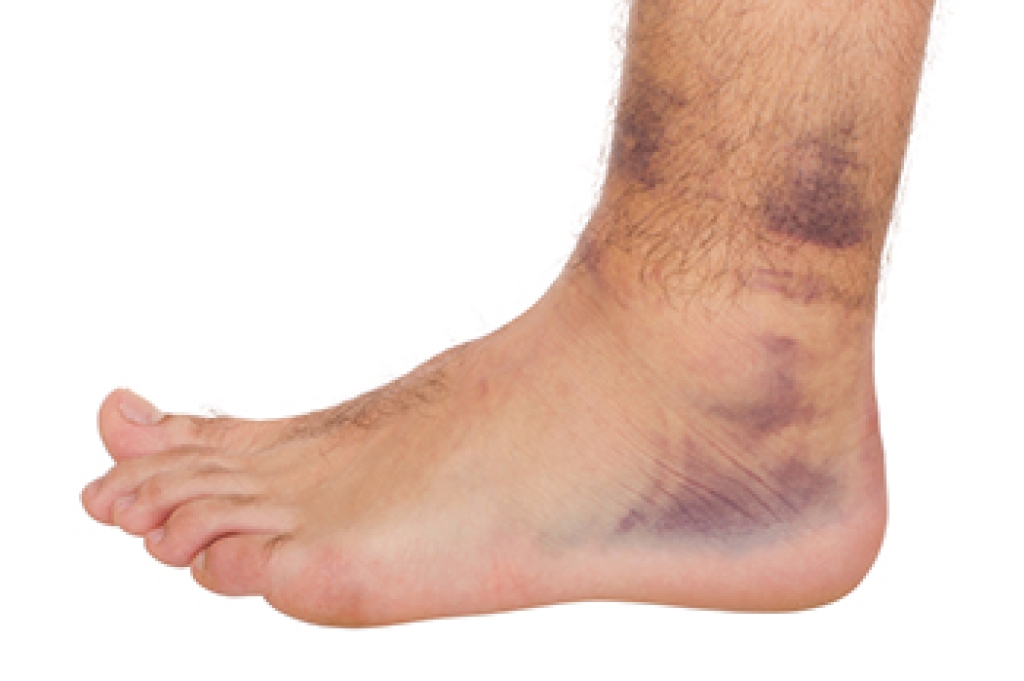
An ankle sprain occurs when the ligaments that support the ankle stretch or tear, often caused by a sudden twist, fall, or misstep. Symptoms include pain, swelling, bruising, and difficulty bearing weight. Common causes involve sports injuries, uneven surfaces, or unstable footwear. Early treatment is vital to prevent long-term weakness or instability. A podiatrist can evaluate the severity of an ankle sprain through an examination and imaging tests, provide proper bracing, and guide the safe return to activity. Timely care ensures full recovery and helps prevent future sprains. If you have sprained your ankle, it is suggested that you promptly consult a podiatrist who can offer treatment solutions that are right for you.

Although ankle sprains are common, they aren’t always minor injuries. If you need your ankle injury looked at, contact Deborah Rosenfeld from Rosenfeld Podiatry. Our doctor can provide the care you need to keep you pain-free and on your feet.

How Does an Ankle Sprain Occur?

Ankle sprains are the result of a tear in the ligaments within the ankle. These injuries may happen when you make a rapid shifting movement while your foot is planted. A less common way to sprain your ankle is when your ankle rolls inward while your foot turns outward.

What Are the Symptoms?

  • Pain at the sight of the tear
  • Bruising/Swelling
  • Ankle area is tender to touch
  • In severe cases, may hear/feel something tear
  • Skin discoloration

Preventing a Sprain

  • Wearing appropriate shoes for the occasion
  • Stretching before exercises and sports
  • Knowing your limits

Treatment of a Sprain

In many cases, the RICE method (Rest, Ice, Compression, and Elevate) is used to treat ankle sprains. However, you should see a podiatrist to see which treatment option would work best with your injury. In severe cases, surgery may be required.

It is important to ask your doctor about rehab options after you receive treatment for your injury. Stretching, strength training, and balance exercises may help the ankle heal while also preventing further injury.

If you have any questions, please feel free to contact our office located in Marlton, NJ . We offer the newest diagnostic and treatment technologies for all your foot care needs.

Read more about Three Grades of Ankle Sprains

Daily Foot Care for Healthy Feet

Taking care of your feet every day is essential for comfort and overall health. Wearing comfortable, well-fitting shoes supports proper alignment and prevents pain. Regular walking promotes circulation and strength, while washing your feet daily removes dirt and bacteria. Moisturizing helps prevent dryness and cracking, and wearing clean socks protects the skin from friction and moisture buildup. Consistent foot care reduces the risk of infections, calluses, corns, and other problems. A podiatrist can assess your foot health, recommend proper footwear, and treat any developing issues early. If you have foot pain, it is suggested that you consult a podiatrist who can treat various foot conditions, and guide you on additional everyday foot care tips.

Everyday foot care is very important to prevent infection and other foot ailments. If you need your feet checked, contact Deborah Rosenfeld from Rosenfeld Podiatry. Our doctor can provide the care you need to keep you pain-free and on your feet.

Everyday Foot Care

Often, people take care of their bodies, face and hair more so than they do for their feet. But the feet are a very important aspect of our bodies, and one that we should pay more attention to. Without our feet, we would not be able to perform most daily tasks.

It is best to check your feet regularly to make sure there are no new bruises or cuts that you may not have noticed before. For dry feet, moisturizer can easily be a remedy and can be applied as often as necessary to the affected areas. Wearing shoes that fit well can also help you maintain good foot health, as well as making it easier to walk and do daily activities without the stress or pain of ill-fitting shoes, high heels, or even flip flops. Wearing clean socks with closed shoes is important to ensure that sweat and bacteria do not accumulate within the shoe. Clean socks help to prevent Athlete’s foot, fungi problems, bad odors, and can absorb sweat.

If you have any questions, please feel free to contact our office located in Marlton, NJ . We offer the newest diagnostic and treatment technologies for all your foot care needs.

Read more about Every Day Foot Care

Plantar Warts Can Be Treated!

Plantar warts are small growths that develop on parts of the feet that bear weight. They're typically found on the bottom of the foot. Don't live with plantar warts, and call us today!

The Struggle to Keep Moving

Plantar fasciitis is a common inflammation of the tissue connecting your heel to your toes. This condition can turn even a simple walk into a painful challenge. Walking with it often feels like a sharp, burning sensation deep in the heel, particularly after sitting or first getting out of bed. The pain can cause you to change your gait, which can lead to knee or back issues. The body struggles to repair the inflamed tissue while under constant stress from walking. To help yourself, choose supportive footwear with good arch support, even around the house. Avoid old, worn out shoes and running on hard surfaces. Stretching your calves and feet multiple times a day is also important for reducing tension. If you have consistent heel pain, it is suggested that you seek a proper diagnosis and treatment from a podiatrist.

Plantar fasciitis can be very painful and inconvenient. If you are experiencing heel pain or symptoms of plantar fasciitis, contact Deborah Rosenfeld  from Rosenfeld Podiatry. Our doctor can provide the care you need to keep you pain-free and on your feet.

What Is Plantar Fasciitis?

Plantar fasciitis is the inflammation of the thick band of tissue that runs along the bottom of your foot, known as the plantar fascia, and causes mild to severe heel pain.

What Causes Plantar Fasciitis?

  • Excessive running
  • Non-supportive shoes
  • Overpronation
  • Repeated stretching and tearing of the plantar fascia

How Can It Be Treated?

  • Conservative measures – anti-inflammatories, ice packs, stretching exercises, physical therapy, orthotic devices
  • Shockwave therapy – sound waves are sent to the affected area to facilitate healing and are usually used for chronic cases of plantar fasciitis
  • Surgery – usually only used as a last resort when all else fails. The plantar fascia can be surgically detached from the heel

While very treatable, plantar fasciitis is definitely not something that should be ignored. Especially in severe cases, speaking to your doctor right away is highly recommended to avoid complications and severe heel pain. Your podiatrist can work with you to provide the appropriate treatment options tailored to your condition.

If you have any questions, please feel free to contact our office located in Marlton, NJ . We offer the newest diagnostic and treatment technologies for all your foot care needs.

Read more about Plantar Fasciitis

Reasons for Medial Foot Pain

Pain on the inner side of the foot, known as medial foot pain, can affect the area from the inside of the heel through the arch to the big toe. A common cause of medial foot pain is posterior tibial tendonitis. This is an irritation of the tendon that helps support the arch and allows you to push off when walking. Stress fractures, which are small cracks in bones such as the navicular or first metatarsal, may also cause this type of pain that often worsens with activity. Plantar fasciitis, an inflammation of the thick band of tissue that runs along the bottom of the foot, may also cause inner heel pain. A podiatrist can identify the source of discomfort and provide the proper treatment. If you have pain in the middle of the foot, it is suggested that you schedule an appointment with a podiatrist who can accurately diagnose and treat this type of foot pain. 

Foot Pain

Foot pain can be extremely painful and debilitating. If you have a foot pain, consult with Deborah Rosenfeld from Rosenfeld Podiatry. Our doctor will assess your condition and provide you with quality foot and ankle treatment.

Causes

Foot pain is a very broad condition that could be caused by one or more ailments. The most common include:

  • Bunions
  • Hammertoes
  • Plantar Fasciitis
  • Bone Spurs
  • Corns
  • Tarsal Tunnel Syndrome
  • Ingrown Toenails
  • Arthritis (such as Gout, Rheumatoid, and Osteoarthritis)
  • Flat Feet
  • Injury (from stress fractures, broken toe, foot, ankle, Achilles tendon ruptures, and sprains)
  • And more

Diagnosis

To figure out the cause of foot pain, podiatrists utilize several different methods. This can range from simple visual inspections and sensation tests to X-rays and MRI scans. Prior medical history, family medical history, and any recent physical traumatic events will all be taken into consideration for a proper diagnosis.

Treatment

Treatment depends upon the cause of the foot pain. Whether it is resting, staying off the foot, or having surgery; podiatrists have a number of treatment options available for foot pain.

If you have any questions, please feel free to contact our office located in Marlton, NJ . We offer the newest diagnostic and treatment technologies for all your foot care needs.

Read more about Foot Pain

Connect With Us

Advanced Podiatric Procedures & Services in the Marlton, NJ 08053 area