
We are accepting new patients!
Se habla español
We now offer in office x-rays

Painful Ingrown Toenails

An ingrown toenail occurs when the edge of the toenail grows into the surrounding skin, leading to pain, redness, and swelling. This condition commonly affects the big toe and can be caused by improper nail trimming, wearing tight shoes, or injury to the toe. Symptoms typically include localized pain, tenderness, and, in some cases, drainage of pus, indicating an infection. If left untreated, ingrown toenails can lead to more serious complications. Initial relief options include soaking the affected foot in warm water, gently lifting the nail edge, and wearing properly fitting shoes to relieve pressure. However, if the ingrown toenail persists, becomes infected, or causes severe pain, it is important to see a podiatrist. This type of doctor may recommend antibiotics or a minor surgical procedure to remove the ingrown portion of the nail. If you are experiencing discomfort from an ingrown toenail, it is suggested you schedule an appointment with a podiatrist for an accurate diagnosis and effective treatment options.

Ingrown toenails may initially present themselves as a minor discomfort, but they may progress into an infection in the skin without proper treatment. For more information about ingrown toenails, contact Deborah Rosenfeld of Rosenfeld Podiatry. Our doctor can provide the care you need to keep you pain-free and on your feet.

Ingrown Toenails

Ingrown toenails are caused when the corner or side of a toenail grows into the soft flesh surrounding it. They often result in redness, swelling, pain, and in some cases, infection. This condition typically affects the big toe and may recur if it is not treated properly.

Causes

  • Improper toenail trimming
  • Genetics
  • Improper shoe fitting
  • Injury from pedicures or nail picking
  • Abnormal gait
  • Poor hygiene

You are more likely to develop an ingrown toenail if you are obese, have diabetes, arthritis, or have any fungal infection in your nails. Additionally, people who have foot or toe deformities are at a higher risk of developing an ingrown toenail.

Symptoms

Some symptoms of ingrown toenails are redness, swelling, and pain. In rare cases, there may be a yellowish drainage coming from the nail.

Treatment

Ignoring an ingrown toenail can have serious complications. Infections of the nail border can progress to a deeper soft-tissue infection, which can then turn into a bone infection. You should always speak with your podiatrist if you suspect you have an ingrown toenail, especially if you have diabetes or poor circulation.

If you have any questions, please feel free to contact our office located in Marlton, NJ . We offer the newest diagnostic and treatment technologies for all your foot care needs.


Read more about Ingrown Toenail Care

Are You Suffering From Ingrown Toenails?

If left untreated, an ingrown toenail can lead to more serious concerns, such as an infection. Knowing proper nail care can help in the prevention of an ingrown toenail. Give us a call, and get treated!

Body Pain That Radiates to and From the Feet

Radiating body pain that affects the feet can stem from several underlying conditions, often linked to nerve compression or musculoskeletal issues. Sciatica, for example, occurs when the sciatic nerve, which runs from the lower back down to the legs and feet, is compressed or irritated, causing sharp or burning pain that radiates to the feet. Herniated discs, spinal stenosis, or pinched nerves in the lower back can also trigger foot pain. Additionally, conditions like peripheral neuropathy, often seen in diabetic patients cause tingling, numbness, or burning sensations that start in the feet and may spread upwards. This type of pain can severely impact mobility and daily functioning, and treatment depends on the underlying cause. If you have foot pain without an obvious cause, it is suggested that you visit a podiatrist who can determine the underlying cause and provide appropriate treatment.

Foot Pain

Foot pain can be extremely painful and debilitating. If you have a foot pain, consult with Deborah Rosenfeld from Rosenfeld Podiatry. Our doctor will assess your condition and provide you with quality foot and ankle treatment.

Causes

Foot pain is a very broad condition that could be caused by one or more ailments. The most common include:

  • Bunions
  • Hammertoes
  • Plantar Fasciitis
  • Bone Spurs
  • Corns
  • Tarsal Tunnel Syndrome
  • Ingrown Toenails
  • Arthritis (such as Gout, Rheumatoid, and Osteoarthritis)
  • Flat Feet
  • Injury (from stress fractures, broken toe, foot, ankle, Achilles tendon ruptures, and sprains)
  • And more

Diagnosis

To figure out the cause of foot pain, podiatrists utilize several different methods. This can range from simple visual inspections and sensation tests to X-rays and MRI scans. Prior medical history, family medical history, and any recent physical traumatic events will all be taken into consideration for a proper diagnosis.

Treatment

Treatment depends upon the cause of the foot pain. Whether it is resting, staying off the foot, or having surgery; podiatrists have a number of treatment options available for foot pain.

If you have any questions, please feel free to contact our office located in Marlton, NJ . We offer the newest diagnostic and treatment technologies for all your foot care needs.
Read more about Foot Pain

Orthotic Treatment for Leg Length Discrepancies

Orthotic insoles can be helpful for people with mild leg length discrepancies, a condition where one leg is slightly shorter than the other. This difference, even if small, can affect how a person walks, causing discomfort or pain. Orthotic insoles are designed to help balance the body and improve how the legs and feet move together. Research shows that using custom orthotics can improve gait symmetry, meaning the walking pattern becomes more even and natural. By leveling out the legs, insoles help reduce immediate pain and discomfort caused by uneven pressure on the feet, knees, hips, and lower back. If you are experiencing foot pain and you know your legs are slightly different lengths, it is suggested that you schedule an appointment with a podiatrist who can provide appropriate treatment, which may include custom orthotics.

If you are having discomfort in your feet and would like to try orthotics, contact Deborah Rosenfeld from Rosenfeld Podiatry. Our doctor can provide the care you need to keep you pain-free and on your feet.

What Are Orthotics?

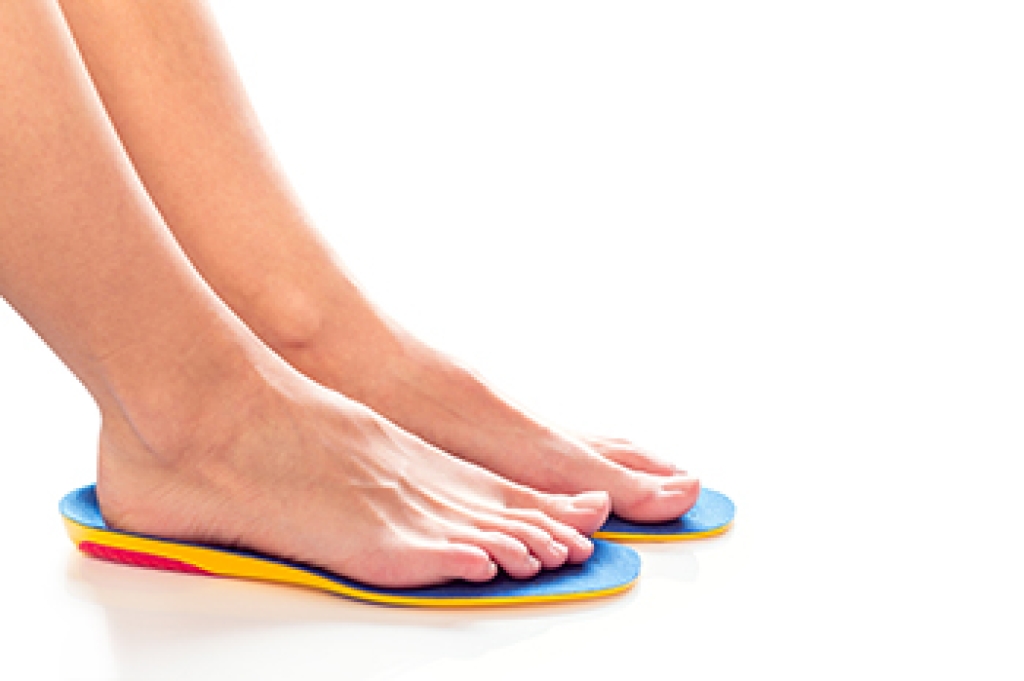
Orthotics are inserts you can place into your shoes to help with a variety of foot problems such as flat feet or foot pain. Orthotics provide relief and comfort for minor foot and heel pain but can’t correct serious biomechanical problems in your feet.

Over-the-Counter Inserts

Orthotics come in a wide variety of over-the-counter inserts that are used to treat foot pain, heel pain, and minor problems. For example, arch supports can be inserted into your shoes to help correct overarched or flat feet, while gel insoles are often used because they provide comfort and relief from foot and heel pain by alleviating pressure.

Prescription Orthotics

If over-the-counter inserts don’t work for you or if you have a more severe foot concern, it is possible to have your podiatrist prescribe custom orthotics. These high-quality inserts are designed to treat problems such as abnormal motion, plantar fasciitis, and severe forms of heel pain. They can even be used to help patients suffering from diabetes by treating foot ulcers and painful calluses and are usually molded to your feet individually, which allows them to provide full support and comfort.

If you are experiencing minor to severe foot or heel pain, it’s recommended to speak with your podiatrist about the possibilities of using orthotics. A podiatrist can determine which type of orthotic is right for you and allow you to take the first steps towards being pain-free.

If you have any questions, please feel free to contact our office located in Marlton, NJ . We offer the newest diagnostic and treatment technologies for all your foot care needs.
Read more about Foot Orthotics

Causes and Treatment of Bunions

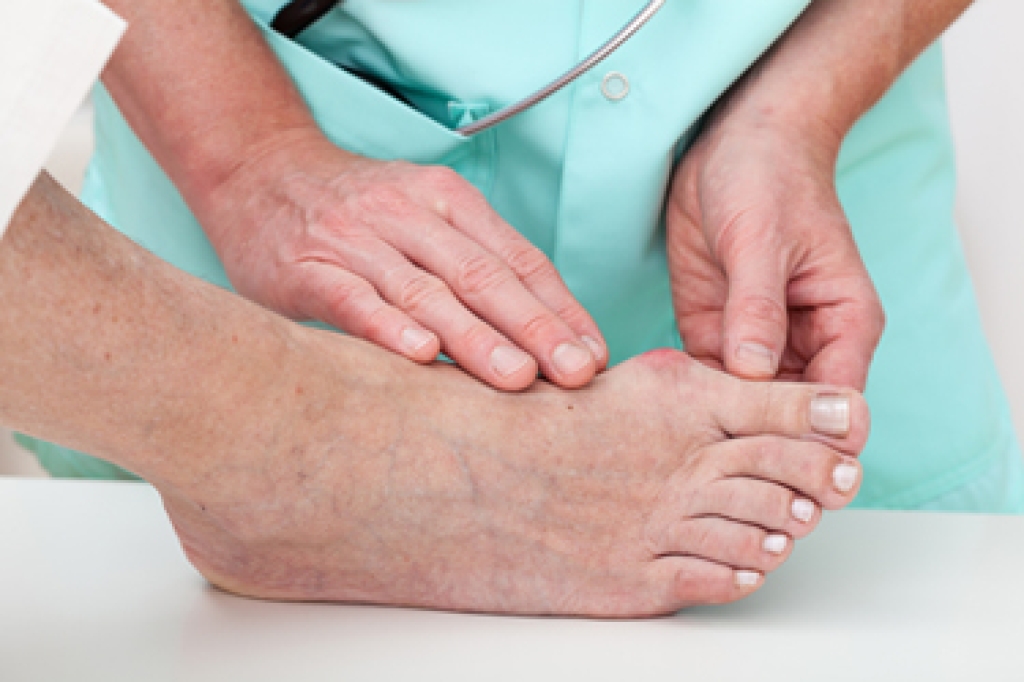
Bunions are bony bumps that form at the base of the big toe, where the joint becomes enlarged and misaligned. This condition develops when the big toe pushes against the toes next to it, forcing the joint to protrude outward. Bunions are often caused by genetic predisposition, wearing tight or high-heeled shoes, or conditions like arthritis that affect joint health. Over time, the joint inflammation can lead to secondary osteoarthritis, causing pain, stiffness, and swelling. Bone spurs may also form, adding to the discomfort. Common symptoms include pain, swelling, redness, and difficulty wearing shoes due to the enlarged joint. As the condition worsens, mobility can become limited. Treatment options vary based on severity. Conservative methods include wearing wide-toed shoes and using orthotics. In more advanced cases, surgery may be needed to realign the joint and relieve symptoms. If you have a painful bunion, it is suggested that you consult a podiatrist to assess the severity and provide appropriate treatment.

If you are suffering from bunion pain, contact Deborah Rosenfeld of Rosenfeld Podiatry. Our doctor can provide the care you need to keep you pain-free and on your feet.

What Is a Bunion?

Bunions are painful bony bumps that usually develop on the inside of the foot at the joint of the big toe. As the deformity increases over time, it may become painful to walk and wear shoes. Women are more likely to exacerbate existing bunions since they often wear tight, narrow shoes that shift their toes together. Bunion pain can be relieved by wearing wider shoes with enough room for the toes.

Causes

  • Genetics – some people inherit feet that are more prone to bunion development
  • Inflammatory Conditions - rheumatoid arthritis and polio may cause bunion development

Symptoms

  • Redness and inflammation
  • Pain and tenderness
  • Callus or corns on the bump
  • Restricted motion in the big toe

In order to diagnose your bunion, your podiatrist may ask about your medical history, symptoms, and general health. Your doctor might also order an x-ray to take a closer look at your feet. Nonsurgical treatment options include orthotics, padding, icing, changes in footwear, and medication. If nonsurgical treatments don’t alleviate your bunion pain, surgery may be necessary.

If you have any questions, please feel free to contact our office located in Marlton, NJ . We offer the newest diagnostic and treatment technologies for all your foot care needs.

Read more about Bunions

Connect With Us

Advanced Podiatric Procedures & Services in the Marlton, NJ 08053 area