We are accepting new patients!
Se habla español
We now offer in office x-rays

Do My Flat Feet Need Surgery?

The medical name for flat feet is called pes planus. The absence of the arch is easily noticed as the foot lies flat while standing on the floor. This can affect the foot structure, and as a result, many people have foot pain. Most babies are born with flat feet, and the arch will develop in the teenage years. In some adults, the arch never forms, and they may experience pain which can interfere with completing daily activities. Having surgery on flat feet may be an option for relief. This type of reconstruction surgery consists of repairing the tendons, ligaments, and bone structure that can reshape the foot and ultimately support the arch. There are several pros and cons of having this type of surgery performed. If you have flat feet and are considering surgery, it is strongly suggested that you speak with a podiatrist who can determine if this is the right decision for you.

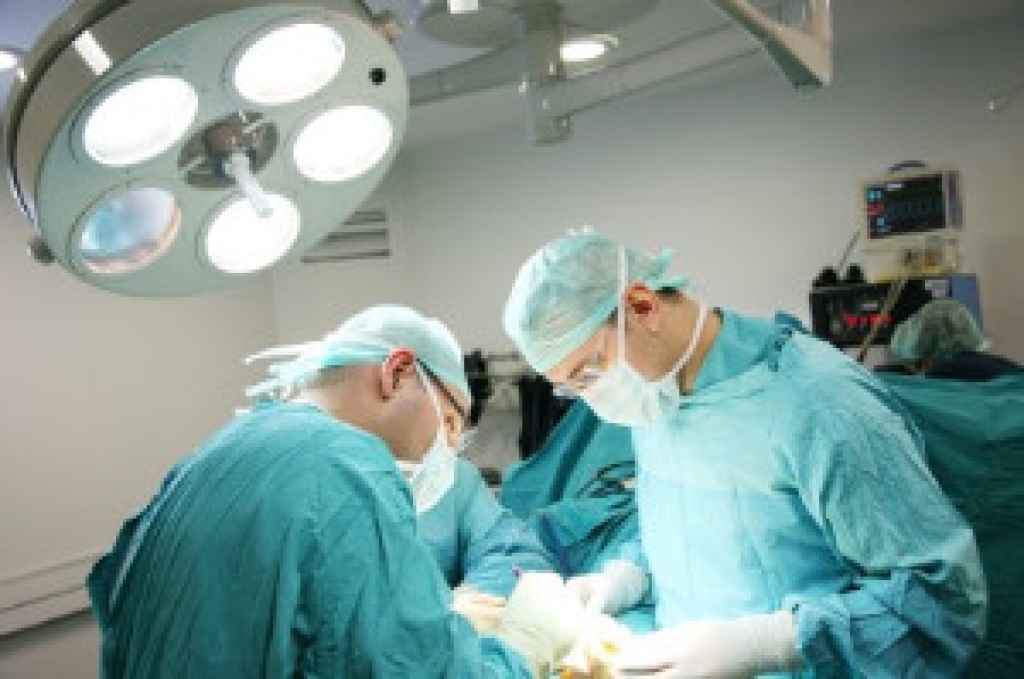
Foot surgery is sometimes necessary to treat a foot ailment. To learn more, contact Deborah Rosenfeld of Rosenfeld Podiatry. Our doctor will assist you with all of your foot and ankle needs.

When Is Surgery Necessary?

Foot and ankle surgery is generally reserved for cases in which less invasive, conservative procedures have failed to alleviate the problem. Some of the cases in which surgery may be necessary include:

  • Removing foot deformities like bunions and bone spurs
  • Severe arthritis that has caused bone issues
  • Cosmetic reconstruction

What Types of Surgery Are There?

The type of surgery you receive will depend on the nature of the problem you have. Some of the possible surgeries include:

  • Bunionectomy for painful bunions
  • Surgical fusion for realignment of bones
  • Neuropathy decompression surgery to treat nerve damage

Benefits of Surgery

Although surgery is usually a last resort, it can provide more complete pain relief compared to non-surgical methods and may allow you to finally resume full activity.

Surgical techniques have also become increasingly sophisticated. Techniques like endoscopic surgery allow for smaller incisions and faster recovery times.

If you have any questions, please feel free to contact our office located in Marlton, NJ . We offer the newest diagnostic and treatment technologies for all your foot care needs.
Read more about Foot and Ankle Surgery

Preventing Foot Problems if You Work on Your Feet

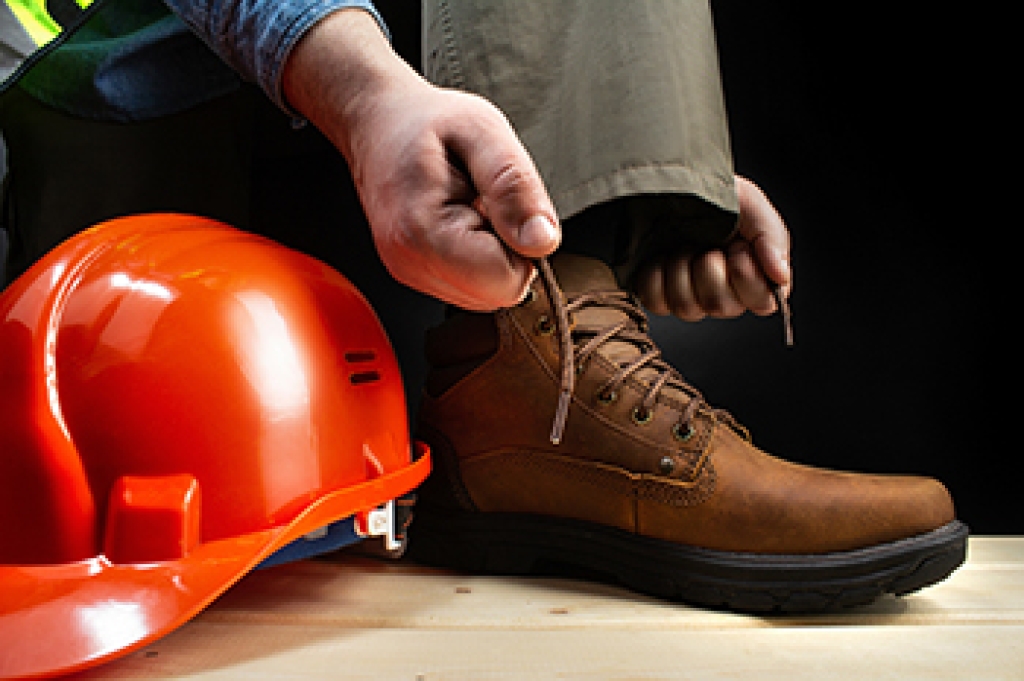
Some jobs require one to stand on their feet for prolonged time periods. This can cause tiredness and increase the risk of foot problems as it puts strain on bones, joints, tendons, muscles, and ligaments. Standing for long periods of time can reduce blood flow to the lower extremities or create an accumulation of blood in the foot or ankles, also leading to soreness. Flat feet, plantar fasciitis, and edema are all problems associated with working on your feet all day. Tips for preventing such pain include taking more seated breaks, standing on different surfaces, using anti-fatigue mats underfoot, and wearing appropriate footwear. Footwear includes shoes and socks, and both should fit well, without being too tight or loose. Shoes should support the arch well and have cushioning that absorbs shock and stress. If you work on your feet all day and have foot problems, see a podiatrist who can provide additional suggestions to help you feel more comfortable.

While working on the feet, it is important to take the proper care of them. For more information about working on your feet, contact Deborah Rosenfeld from Rosenfeld Podiatry. Our doctor will treat your foot and ankle needs.

Working on Your Feet

Standing on your feet for long periods of time can cause stress and pain in your feet. Your whole body may experience change in terms of posture, back pain, bunions, callouses and or plantar warts. There are ways to avoid these conditions with proper foot care, smart choices and correct posture.

Positive Changes

Negative heeled shoe – Choosing this shoe type places the heel slightly lower than the ball of the foot. These are great for overall foot health. Find shoes that fit you correctly.

Go barefoot – Our feet were not designed to be enclosed for all hours of the day. Try to periodically expose your feet to air.

Eliminate Pain

Foot Exercises – Performing simple exercises, incorporating yoga and doing stretches are beneficial. This will allow increased blood flow to the area and muscles of the foot.

Achilles tendon – Stretching the foot out flat on the floor will relax the calf muscles and tendon. These exercises can be performed almost anywhere. Make sure you add these exercises to your daily regimen. 

With a little bit of this information and knowing more about foot health, you will notice changes. Foot stretches and proper footwear will help with pain and prevent further issues.

If you have any questions please contact our office located in Marlton, NJ . We offer the newest diagnostic and treatment technologies for all your foot and ankle needs.

Read more about Working on Your Feet

A Common Cause of Morton’s Neuroma

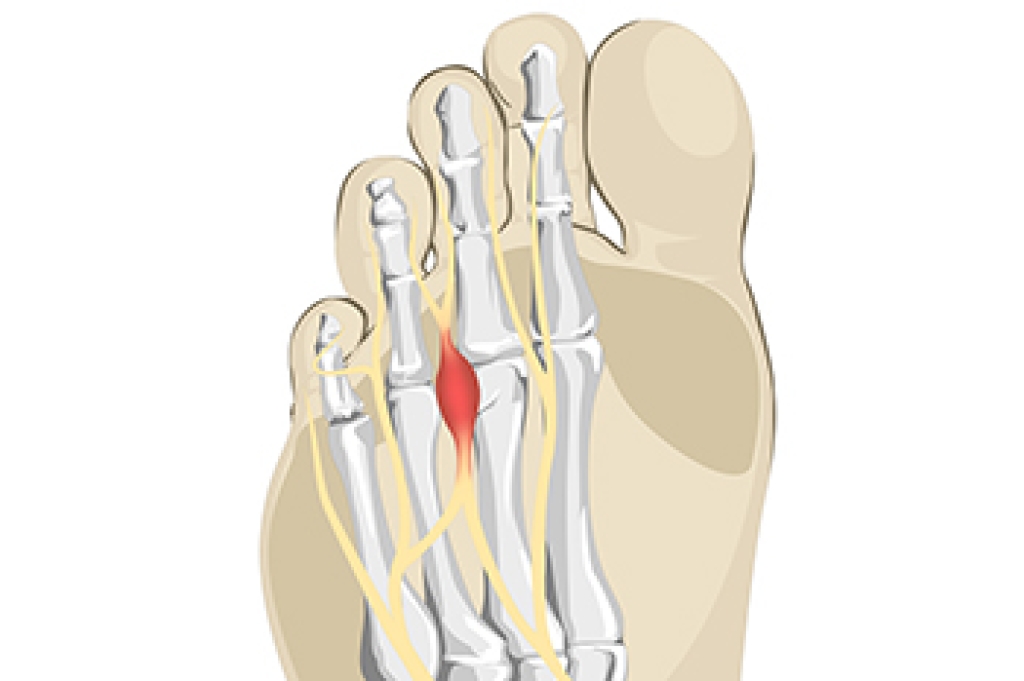
The foot condition that is known as Morton’s neuroma affects the nerve between the third and fourth toes. It generally happens to women who frequently wear high heels, which can compress the toes. In severe cases, the pain can be excruciating, and relief methods are often sought. The symptoms that many patients feel can be likened to having a small pebble or stone in the shoe, and the foot may tingle or feel numb. In mild cases, temporary relief may be found when wider shoes are worn with a low heel, and extra weight is shed, if applicable. Additionally, wearing soft insoles in wider shoes may help to lessen the pressure on the nerve. People who suffer from Morton’s neuroma often seek the counsel of a podiatrist, who can recommend the correct treatment, which may include surgery for the removal of the nerve.

Morton’s neuroma is a very uncomfortable condition to live with. If you think you have Morton’s neuroma, contact Deborah Rosenfeld of Rosenfeld Podiatry. Our doctor will attend to all of your foot care needs and answer any of your related questions.  

Morton’s Neuroma

Morton's neuroma is a painful foot condition that commonly affects the areas between the second and third or third and fourth toe, although other areas of the foot are also susceptible. Morton’s neuroma is caused by an inflamed nerve in the foot that is being squeezed and aggravated by surrounding bones.

What Increases the Chances of Having Morton’s Neuroma?

  • Ill-fitting high heels or shoes that add pressure to the toe or foot
  • Jogging, running or any sport that involves constant impact to the foot
  • Flat feet, bunions, and any other foot deformities

Morton’s neuroma is a very treatable condition. Orthotics and shoe inserts can often be used to alleviate the pain on the forefront of the feet. In more severe cases, corticosteroids can also be prescribed. In order to figure out the best treatment for your neuroma, it’s recommended to seek the care of a podiatrist who can diagnose your condition and provide different treatment options.

If you have any questions, please feel free to contact our office located in Marlton, NJ . We offer the newest diagnostic and treatment technologies for all your foot care needs.

Read more about What is Morton's Neuroma?

It's Time for Beautiful Feet

You don't need an excuse to have beautiful nails. Step outside without worrying about the appearance of your feet.

Is Having Flat Feet Bad?

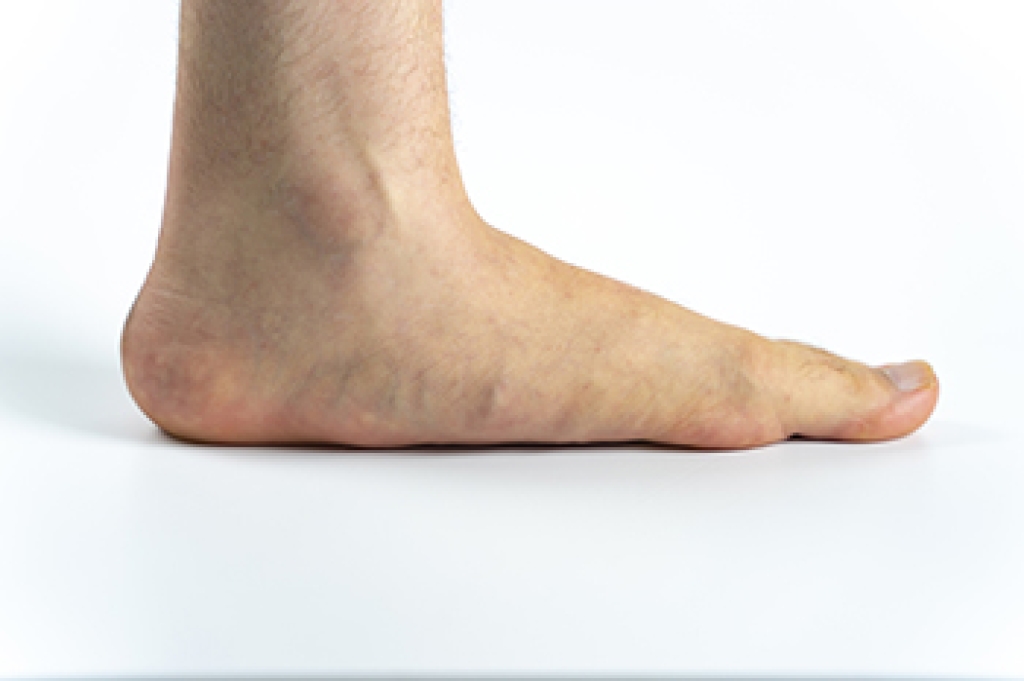
Flat feet happen when the feet are flush with the ground. Sometimes flat feet can contribute to foot, ankle, or knee problems because they can alter leg alignment. Flat feet can be a result of overuse injuries, excess weight, a bone deformity, or a tendon tear or rupture. Sometimes flat feet are genetic. There are no gender differences for risk of flat feet. A person with flat feet may not be allowed in the military because spinal damage can happen to such a person when marching. Having flat feet can also cause overpronation in runners. Flat feet can also interfere with proper balance as body weight is unevenly distributed and present more of a risk for falling. Orthotics, braces, or insoles might help flat feet. If there is no pain, treatment for flat feet is not needed. If you have flat feet and they are causing discomfort, see a podiatrist who can examine your feet and provide options to address your symptoms.

Flatfoot is a condition many people suffer from. If you have flat feet, contact Deborah Rosenfeld from Rosenfeld Podiatry. Our doctor will treat your foot and ankle needs.

What Are Flat Feet?

Flatfoot is a condition in which the arch of the foot is depressed and the sole of the foot is almost completely in contact with the ground. About 20-30% of the population generally has flat feet because their arches never formed during growth.

Conditions & Problems:

Having flat feet makes it difficult to run or walk because of the stress placed on the ankles.

Alignment – The general alignment of your legs can be disrupted, because the ankles move inward which can cause major discomfort.

Knees – If you have complications with your knees, flat feet can be a contributor to arthritis in that area.  

Symptoms

  • Pain around the heel or arch area
  • Trouble standing on the tip toe
  • Swelling around the inside of the ankle
  • Flat look to one or both feet
  • Having your shoes feel uneven when worn

Treatment

If you are experiencing pain and stress on the foot you may weaken the posterior tibial tendon, which runs around the inside of the ankle. 

If you have any questions, please feel free to contact our office located in Marlton, NJ . We offer the newest diagnostic and treatment technologies for all your foot care needs.
Read more about Flat Feet

Connect With Us

Advanced Podiatric Procedures & Services in the Marlton, NJ 08053 area